Reputation Risk Management: A Guide for Enterprises
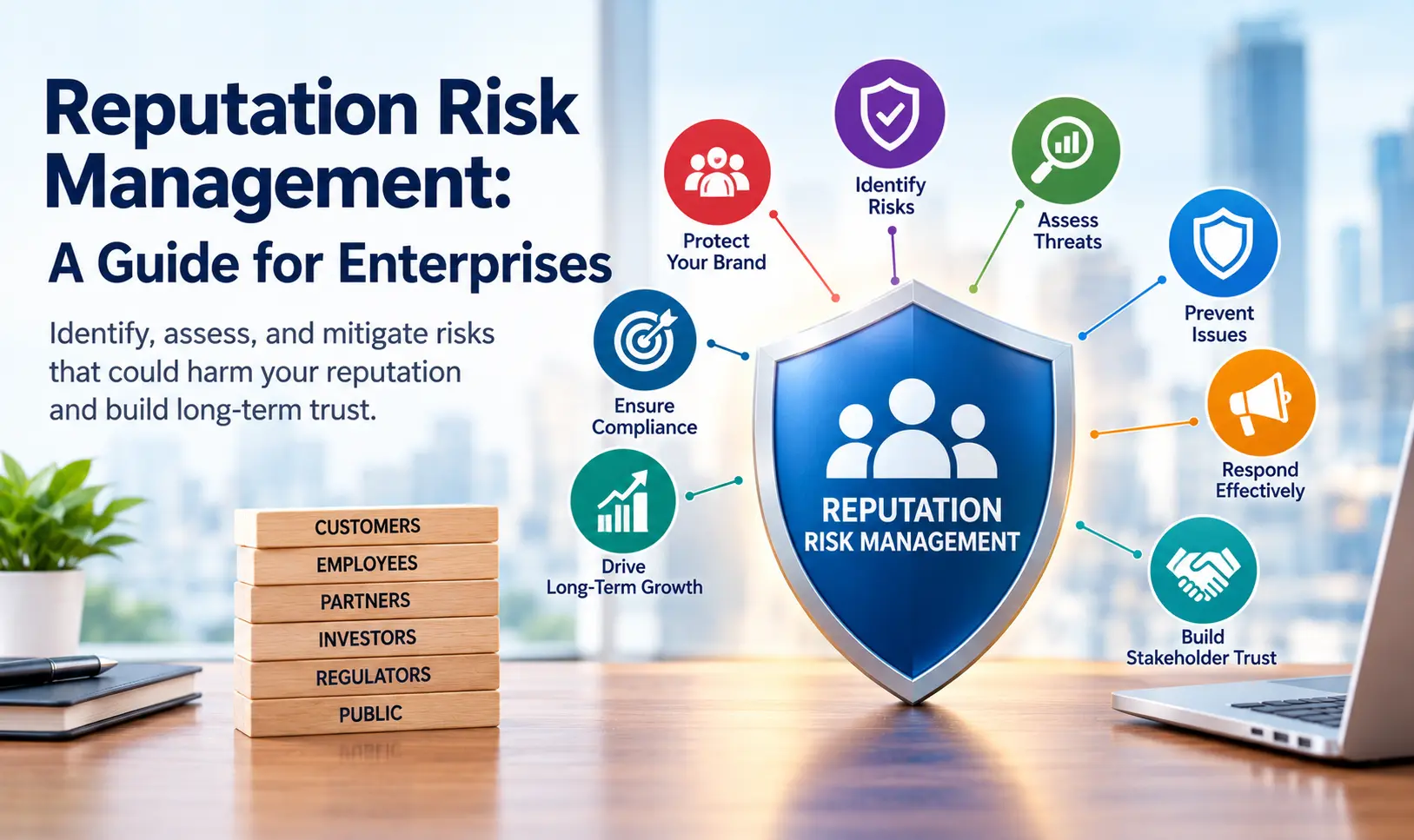
Reputation Risk Management: A Guide for Enterprises Reputation risk management is the process of identifying, assessing, and reducing threats that could damage how customers, employees, investors, regulators, and the public perceive an organization. For enterprises, effective reputation risk management involves monitoring potential threats, preparing for crises, maintaining ethical business practices, and responding quickly when trust is at risk. A strong reputation can support customer loyalty, business partnerships, employee retention, and long-term growth. However, negative publicity, data breaches, poor customer experiences, leadership misconduct, or failures in corporate governance can undermine that trust. Enterprises need a structured approach to identify these risks before they escalate and manage them when they occur. What Is Reputation Risk Management? Reputation risk management is a systematic approach to protecting an organization’s credibility, public image, and stakeholder trust. It helps businesses understand what could damage their reputation, evaluate the potential consequences, and establish processes to prevent or respond to reputational incidents. Unlike risks that are limited to financial losses or operational disruptions, reputation risk can affect several areas of a business simultaneously. For example, a cybersecurity incident may expose customer information, attract negative media coverage, raise regulatory concerns, and reduce customer confidence. Reputation risk management is therefore not just the responsibility of the public relations or marketing team. It requires coordination among executive leadership, risk management, legal, compliance, cybersecurity, human resources, customer service, and other relevant departments. The goal is not to eliminate every possibility of negative publicity. Instead, enterprises should reduce avoidable risks, detect emerging problems, respond responsibly, and preserve stakeholder confidence over time. Why Is Reputation Risk Management Important for Enterprises? Large organizations often operate across multiple markets, industries, supply chains, and regulatory environments. This complexity creates more opportunities for an incident in one area to affect the entire business. Protects Customer Trust Customers expect businesses to deliver reliable products, protect personal information, and handle complaints fairly. When an organization fails to meet these expectations, customers may switch to competitors or share negative experiences publicly. A structured reputation risk management process helps businesses identify recurring customer concerns and address the underlying causes before they become larger problems. Reduces Financial and Commercial Consequences Reputational damage can contribute to lost sales, higher customer acquisition costs, delayed partnerships, and difficulties attracting investment. The financial impact depends on the nature of the incident, the organization’s response, and the expectations of its stakeholders. Identifying reputational threats early can help enterprises limit the scale and duration of these consequences. Supports Regulatory and Compliance Objectives Organizations that fail to meet legal requirements, industry standards, or ethical expectations may face regulatory scrutiny and public criticism. Reputation risk management works alongside compliance and enterprise risk management to help businesses identify situations where misconduct, inadequate controls, or poor governance could damage stakeholder confidence. Strengthens Employee Confidence Employees are also important stakeholders. Concerns about workplace culture, discrimination, unethical leadership, or poor management practices can damage an employer’s reputation. Addressing these concerns helps organizations create a more accountable workplace and can support recruitment, retention, and employee engagement. Improves Crisis Preparedness Reputational incidents can develop quickly, particularly when information spreads through social media and online news platforms. A crisis response plan establishes responsibilities, communication procedures, approval processes, and escalation criteria before an incident occurs. This preparation helps decision-makers respond more consistently under pressure. Common Reputation Risks Enterprises Need to Manage Reputation risks differ by industry, business model, and stakeholder expectations. However, several categories affect organizations across sectors. 1. Cybersecurity and Data Privacy Risks Cyberattacks, unauthorized access, data leaks, and mishandling of personal information can undermine confidence in an organization. For example, a company that exposes customer records may face complaints, negative media coverage, legal obligations, and questions about whether its security controls are adequate. Enterprises can reduce these risks through security monitoring, access controls, employee training, incident response planning, and responsible handling of customer information. 2. Leadership and Corporate Governance Risks The conduct of executives and board members can have a significant influence on public trust. Conflicts of interest, financial misconduct, misleading statements, unethical decisions, or a failure to address internal concerns may create serious reputational consequences. Clear governance policies, independent oversight, ethical leadership, and effective reporting channels can help organizations identify and address these problems. 3. Customer Experience Risks Poor service, unreliable products, misleading advertising, billing disputes, and unresolved complaints can damage customer relationships. A single complaint may have a limited effect, but repeated failures can indicate a systemic problem. If customers consistently report the same issue, enterprises should investigate the operational cause rather than focusing only on individual responses. Customer feedback analysis, service quality monitoring, and transparent complaint resolution can help reduce these risks. 4. Employee and Workplace Culture Risks Workplace harassment, discrimination, unsafe working conditions, unfair treatment, and retaliation against employees who raise concerns can damage an organization’s reputation. These issues may become public through employee complaints, investigations, news reports, or online discussions. Enterprises should establish clear workplace standards, provide confidential reporting channels where appropriate, investigate allegations fairly, and take corrective action when problems are substantiated. 5. Legal, Regulatory, and Compliance Risks Violations of applicable laws, industry requirements, contractual obligations, or internal policies can damage stakeholder confidence. Examples include misleading disclosures, inadequate compliance controls, improper business practices, or failure to meet relevant privacy requirements. Effective compliance monitoring, internal audits, employee education, and timely remediation help organizations reduce the likelihood of these incidents. 6. Supply Chain and Third-Party Risks An enterprise’s reputation can be affected by the behavior of suppliers, contractors, distributors, and other business partners. For example, a supplier accused of using exploitative labor practices may create reputational concerns for the company purchasing its products, particularly when the relationship conflicts with the company’s public commitments. Organizations should evaluate third-party risks, conduct proportionate due diligence, monitor critical suppliers, and establish clear expectations for ethical conduct. 7. Environmental and Social Responsibility Risks Stakeholders may scrutinize an organization’s environmental impact, labor practices, community relationships, and sustainability claims. Problems can arise when business activities conflict with public commitments or when marketing statements exaggerate environmental or social achievements. Enterprises