


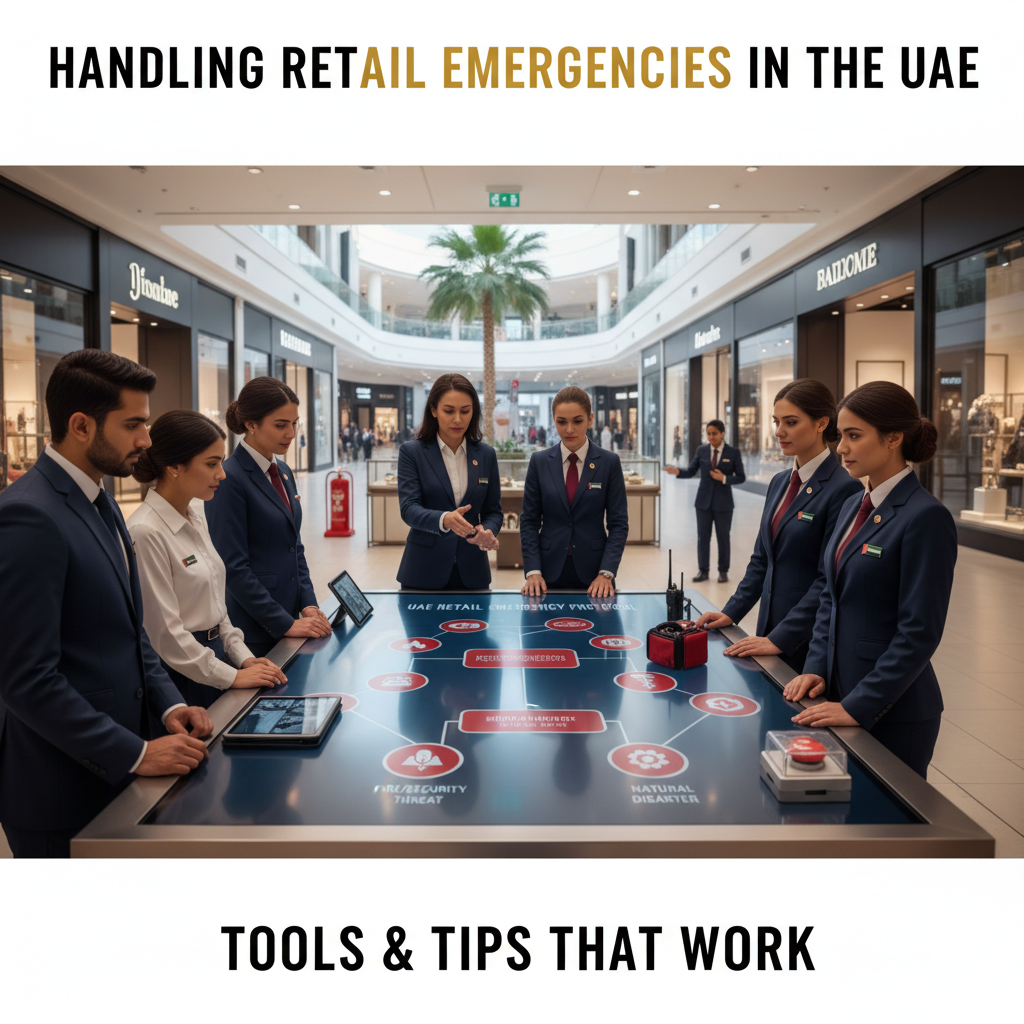
Retail shops in the UAE and Gulf face constant pressure — from online mistakes to supply issues and sudden reputation problems. With e-commerce growing fast and shopper behaviour changing every day, handling retail emergencies in the UAE isn’t just a nice-to-have — it’s what separates strong brands from weak ones.
Experts in the UAE say that the actions taken in the first hour of an emergency can affect public perception by up to 70%, which means quick, smart decisions are critical for survival in the Gulf market.
Lots of Competition: Since everyone’s online, Gulf shoppers want things easy. Shops that can’t keep up lose fans fast.
Being Respectful: Messing up with language or timing (like during Ramadan) can make people angry – which means you need to know the culture when you handle problems.
Problems with Getting Stuff: The UAE and Gulf rely on getting stuff from other countries, so shops can get hurt if ports get backed up, prices go up, or things get shaky nearby.
When a retail emergency strikes—be it a product recall, a viral complaint, or a service failure—BigBuzz acts as an early warning system for UAE retailers. The platform continuously monitors customer conversations across reviews, social media, and feedback channels, alerting teams the moment unusual activity or negative sentiment spikes are detected, giving them crucial time to respond before the issue spreads.
Bad News Travels Fast: Social media makes complaints blow up fast. You gotta watch out for stuff online to stop things from getting worse.
Online Problems: Wrong links or QR codes can hurt trust – so you need to keep an eye on all your online stuff.
Stop and Check: Stop your ads and check everything online and in stores in the first hour.
Say Sorry in Two Languages: Good brands say sorry in Arabic and English on every channel they can.
Talk to Culture Experts: Have someone check your messages to make sure they’re okay with Islamic values, the way you say things, and local rules.
A shop in Dubai got heat online during Ramadan for a badly timed ad. In three hours, they:
Said sorry in two languages.
Fixed the ad after talking to culture experts.
Said they’d train their staff to be more aware.
What Happened: People started liking the brand again in two weeks, which shows that knowing the culture pays off when you handle emergencies.
Know Who Does What: The team should have people from the top, operations, HR, talking to people, and IT – all with backups.
Practice: Do drills every three months using local and global situations. Change the plan and update contacts after each drill.
Friends in the News and Community: If you’re friendly with local reporters and community leaders, they’ll cover you fairly and spread good words when things go wrong.
Get Suppliers from Different Places: Don’t rely on just one supplier from another country. Use local ones to be stronger.
Falcon and Centurion: Shops in the UAE are using AI to make decisions and spot threats in real time, like they showed at the Abu Dhabi tech show in 2025.
Crises Control, Noggin 2.0: Online platforms have dashboards for phones, alerts, and plans to get back on track, connecting teams everywhere.
Watch Your Online Stuff: Keep track of website links, QR codes, and URLs to stop bad rep before it hurts the brand.
Connect Your Systems: Connecting your sales, shipping, and stock systems lets you check things fast, see what’s in stock, and send out tasks when there are shipping problems.
AI to See How People Feel: Use programs that can tell how people feel online in different languages, especially Arabic and English.
Ready-Made Templates: Have templates ready, in local languages, and safe for staff, customers, media, and rules people.
Be Open and Fast: People in the UAE and Gulf like brands that say what they’re doing to fix things, even before they’ve checked everything.
Be Culturally Aware: Have people check your messages to make sure they’re okay to say publicly, especially during big religious or national events.
Quick updates (in Arabic and English)
Say what’s wrong and what you’re doing
Say sorry in a way that shows you understand local values
Practice Every Three Months: Get the team together and act out common situations, like sudden rule changes, cyberattacks, or shipping problems.
Make Decisions Faster: Get better at making quick decisions after each practice. Give people the power to decide things on their own to be faster.
Learn from What Happened: Collect info during and after problems to talk about what happened (not to blame anyone). Write down what you learned to use later.
Keep It Online: Put plans, contacts, and steps on a safe, online dashboard so you can get to them fast.
Know Your Stuff: Write down all your suppliers, routes, and tech to find weak spots.
Emergency Plans: Get backup suppliers, shipping plans, and know how much risk you can take.
Put It All Online: Stop using papers. Use online systems that connect every part of your shop.
More shops in the UAE and Gulf are using suppliers nearby to protect against problems from other countries and rule changes.
Partner Rules: Say who does what in emergencies with partners and vendors. Practice together for big events.
One Place to Talk: During emergencies, use one dashboard to share updates across teams and with partners.
| Good Idea | Why It Works in the Gulf | What to Do |
|---|---|---|
| Say Things in Two Languages | Shows respect for culture and wider reach | Use message templates in both Arabic & English |
| Use AI to Watch Social Media | Tracks conversations fast in both languages | Use tools like Falcon, Centurion, or Crises Control |
| Practice Every Three Months | Keeps the team ready & finds weak spots | Do simulations and review results together |
| Get Suppliers from Different Places | Reduces risks from port delays or global issues | Map all suppliers & include local backup suppliers |
| Talk to the Community & Media | Builds public trust and speeds up recovery | Engage with local media & community groups |
| Tell Everyone What’s Happening | Keeps everyone aligned during crisis | Use online guides & internal updates |
| Check Online Assets Live | Stops QR/link errors from damaging trust | Use digital asset management systems |
Shops in the UAE and Gulf are changing fast, so you need to handle emergencies well with tech, local knowledge, and speed. If you use AI, practice with your team, make friends nearby, and understand the culture, you’ll be able to handle problems and grow even when things get tough. Every shop should have a plan for emergencies that fits this area’s online, cultural, and work situations.
Be fast, say things in two languages, and know the culture in the Gulf.
Use AI and online dashboards to watch things and make decisions fast.
Practice every three months and get suppliers from different places to be stronger.
Talk openly to build trust with shoppers and partners in the Gulf.
Handling emergencies with tech isn’t just a choice – it’s what you need to do to win today.
If you get ready with the right tools, teams, and knowledge, shops in the GCC can turn problems into chances and lead with confidence in any trouble.
 Home
Home